登录 / 注册
The Dynamic Development of Innovation in Technology
摘要:Inanerawheretechnologyisoftenpresentedasastaticentity,therealityisfarmoredynamican...
In an era where technology is often presented as a static entity, the reality is far more dynamic and transformative. Innovation in technology is not merely a one-time leap but a continuous evolution driven by human ingenuity, societal needs, and the constant advancement of science and engineering. This essay explores the essence of technological innovation, its impact on society, and its potential to shape the future.
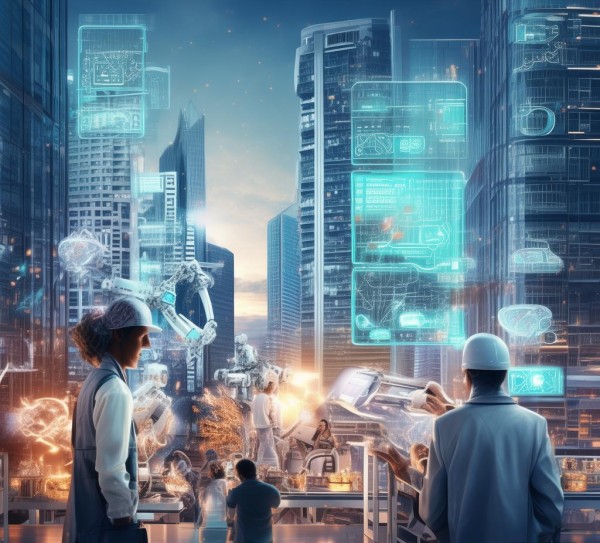
The origins of technological innovation can be traced back to ancient civilizations. The Greeks, Romans, and other early societies built upon the foundations laid by earlier cultures, creating systems that enabled the development of more complex technologies. Similarly, the Industrial Revolution in the 18th and 19th centuries marked a turning point, as humans began to realize the transformative potential of mechanical and technological advancements. This era saw the invention of the steam engine, the development of railways, and the introduction of mass production, which fundamentally changed how work was organized and performed.
In the 2th century, the advent of computers and the internet revolutionized the way we live, work, and interact. The first personal computers, such as the Apple II and the IBM System/65, were born out of the constraints of the time, but their impact on daily life was profound. Today, the internet has become the backbone of global communication, enabling individuals and businesses to connect across the globe. The rise of the World Wide Web has transformed the way information is accessed and disseminated, leading to the creation of new forms of art, entertainment, and learning.
However, while technology has brought about remarkable advancements, it has also raised important questions about its role in society. The exponential growth of digital devices has led to a phenomenon known as "digital divide," where the gap between those with access to advanced technology and those without persists. This divide has been exploited by corporations and governments to maximize their market share, often at the expense of marginalized communities. As a result, issues such as access to education, healthcare, and shelter remain disproportionately affected by technological change.
Despite these challenges, technological innovation is not without its benefits. The development of renewable energy sources, such as solar and wind power, has significantly reduced our reliance on fossil fuels, contributing to global sustainability goals. Similarly, the rise of green technologies, such as biodegradable materials and energy-efficient devices, is reshaping industries such as textiles, electronics, and transportation. These innovations, while initially controversial, are now gaining traction and are expected to play a crucial role in addressing global challenges such as climate change, public health, and environmental sustainability.
As we look ahead, the trajectory of technological innovation will undoubtedly be shaped by the evolving needs of society and the scientific advancements that catalyze its progress. In the early 21st century, the convergence of biotechnology, bioinformatics, and biotechnology will create new possibilities for medicine, agriculture, and healthcare. The development of quantum computing, neural networks, and other emerging technologies will not only redefine the boundaries of computing but also open new avenues for artificial intelligence and machine learning, which will have a profound impact on various fields.
In conclusion, technological innovation is a dynamic and ever-evolving process that is reshaping the way we live, work, and interact with the world. While it has the potential to drive significant advancements in technology, it also presents challenges that require careful consideration. As society continues to navigate these challenges, the question will remain: how can we harness the power of innovation to create a more equitable, sustainable, and inclusive future? The answer lies in a deep understanding of the principles of technology and in fostering a culture of innovation that values its potential to address the needs of all people.