登录 / 注册
科技创新与教育,共进与融合的路径
摘要:在当今快速发展的时代,教育与科技的结合已经成为推动社会进步的重要力量,科技创新与教育的深度融合,不仅改变了教育模式,也在培养适应未来社会需求的人才方面发挥着重要作用,本文将探讨科技创新与教育的融合路径...
在当今快速发展的时代,教育与科技的结合已经成为推动社会进步的重要力量,科技创新与教育的深度融合,不仅改变了教育模式,也在培养适应未来社会需求的人才方面发挥着重要作用,本文将探讨科技创新与教育的融合路径,分析其对教育体系和社会发展的深远影响。
创新教育模式:科技与人文的完美融合
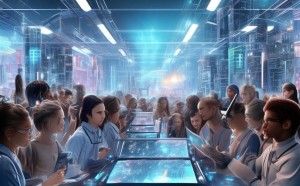
教育模式的创新是科技创新与教育深度融合的关键,在线教育平台的普及、虚拟现实技术在教育中的应用,以及虚拟现实技术在教学场景中的应用,都体现了科技如何改变传统的教学方式。 flipped learning( flipped classroom)是一种教育模式,其中学生先进行自主学习,然后通过互动活动来完成教学任务,这种模式不仅提高了学习效果,还增强了学生的主动性和参与感。
人工智能技术在教育中的应用也为教育模式的创新提供了新的可能性。 人工智能算法可以用于分析学生的学习情况,从而提供个性化的学习建议,这种基于数据的个性化教学模式,不仅提高了学习效率,还增强了学生的自主学习能力。
教育模式的创新是科技创新与教育深度融合的关键。 在 traditional education model, teachers primarily deliver information through lectures, while students learn through passive listening. This traditional model has its limitations in today's learning environment. However, the integration of technology, such as virtual reality (VR) and augmented reality (AR), offers innovative ways to enhance the learning experience. For example, VR can be used to create immersive learning environments, allowing students to interact with virtual characters and scenarios, which can deepen their understanding of complex concepts.
Additionally, the use of AI technology in education has the potential to create personalized learning experiences. For instance, AI can analyze students' performance and provide tailored recommendations to help them improve. This personalized approach not only enhances learning outcomes but also fosters a deeper engagement with the material.
更新教育内容:科技与人文的对话
的更新是科技创新与教育融合的另一重要方面。 传统的教育模式往往以讲授为主,而科技的引入提供了丰富的学习资源和互动工具,如 AI-based educational materials(AI 化学学习材料), which can generate high-quality educational content such as video, audio, and images. These materials can supplement traditional teaching methods and provide students with a more comprehensive understanding of the subject matter.In addition to the creation of educational materials, AI technology can also be used for content generation and teaching design. Natural language processing (NLP) technology can help teachers create a wide range of teaching content with AI, while students can use AI tools to complete assignments and projects. This approach not only makes teaching more efficient but also encourages creativity and critical thinking, as students are often required to produce original work.
Mixed-mode teaching(混合式教学) combines traditional teaching methods with online learning. This model is particularly effective for addressing diverse learning needs. It allows students to learn at their own pace and convenience, which can be especially beneficial for those who prefer flexible schedules or have different learning preferences.
Mixed-mode teaching can also leverage data and machine learning to provide personalized learning paths. By analyzing students' learning progress, teachers can offer more targeted guidance. For example, a knowledge graph can be used to match students' learning needs with course content, ensuring that each student receives a tailored learning experience.
革新教学方式:科技与人文的创新实践
教学方式的革新是科技创新与教育融合的另一个重要方面。 在传统教学中, teachers primarily function as knowledge disseminators, while students are often passive learners. This model has its limitations in a dynamic learning environment. However, flipped classroom(反转学习模式) breaks down this traditional structure by allowing students to engage in self-directed learning before class. During class time, teachers can facilitate interactive activities, such as group discussions and problem-solving exercises, which can enhance engagement and understanding.
Mixed-mode teaching combined with online learning can also provide additional benefits. Online learning platforms offer flexible scheduling and access to a wide range of educational materials, making it easier for students to stay connected with their studies. This approach can be particularly beneficial for students who are geographically dispersed or who need to learn outside of traditional school hours.
The integration of AI technology in teaching can also lead to innovative teaching practices. For instance, AI can provide instant feedback during lessons, allowing students to adjust their understanding in real-time. This immediate feedback can help students identify areas where they need to improve and reinforce their learning. Additionally, AI can assist in personalized learning paths, ensuring that each student's learning journey is tailored to their individual needs.
In addition to flipped classroom and mixed-mode teaching, the use of big data and machine learning in education has the potential to enhance the learning experience. For example, educational platforms can analyze student performance data to identify strengths and weaknesses, enabling teachers to provide more targeted support. Furthermore, machine learning can be used to assess students' progress and provide continuous feedback, which can help students stay motivated and engaged throughout their learning journey.
促进教育公平:科技与人文的共同进步
科技的引入为教育公平提供了新的可能。 在偏远地区,偏远地区的学生能够接触到优质教育资源,透明的教育资源分配机制,能够确保每个学生都能享受到公平的教育机会。 在线教育资源的普及使得偏远地区的学生能够接触到优质教育资源,从而提高了他们的教育质量。
科技还能够帮助教师更好地进行教学设计和评估。 通过人工智能技术,教师可以实时监控学生的学习状态,及时发现和解决学习问题。 这种数据驱动的教育模式能够显著提升教学效果,帮助教师更高效地进行教学活动。
在教育公平的推动下,学校可以更好地满足不同学习者的需求,缩小教育差距。 科技还能够推动教育的数字化转型,为未来的教育改革提供新的思路。 人工智能的广泛应用可以为教育提供更加智能化和个性化的服务,从而为未来的教育改革提供有力的支持。
科技的普及和应用为教育提供了更多可能性,不仅改变了传统的教学模式,也为教育注入了新的活力。 从教育模式的创新到教育内容的更新,再到教学方式的革新,科技创新与教育的融合正在成为推动社会进步的重要力量。 科技的不断进步为教育带来了新的可能性,也为教育的现代化和个性化发展提供了更有力的支持。
展望未来:科技创新与教育的无限可能
科技创新与教育的融合将继续拓展教育的边界,推动教育的数字化转型,为教育注入新的活力。 人工智能技术在教育中的应用,将为教育提供更加智能化和个性化的服务,大数据和机器学习技术在教育中的应用,也将为教育提供更精准的评估和反馈。
教育公平仍然是科技创新与教育融合的重点之一。 通过科技手段,学校可以更好地满足不同学习者的需求,缩小教育差距,推动教育的数字化转型,为未来的教育改革提供新的思路。
科技的普及和应用为教育带来了更多可能性,不仅改变了传统的教学模式,也为教育注入了新的活力,从教育模式的创新到教育内容的更新,再到教学方式的革新,科技创新与教育的融合正在成为推动社会进步的重要力量。 科技的不断进步为教育带来了更多的可能性,也为教育的现代化和个性化发展提供了更有力的支持。